Reframing Strength Training After 50
New ACSM Strength Training Guidelines
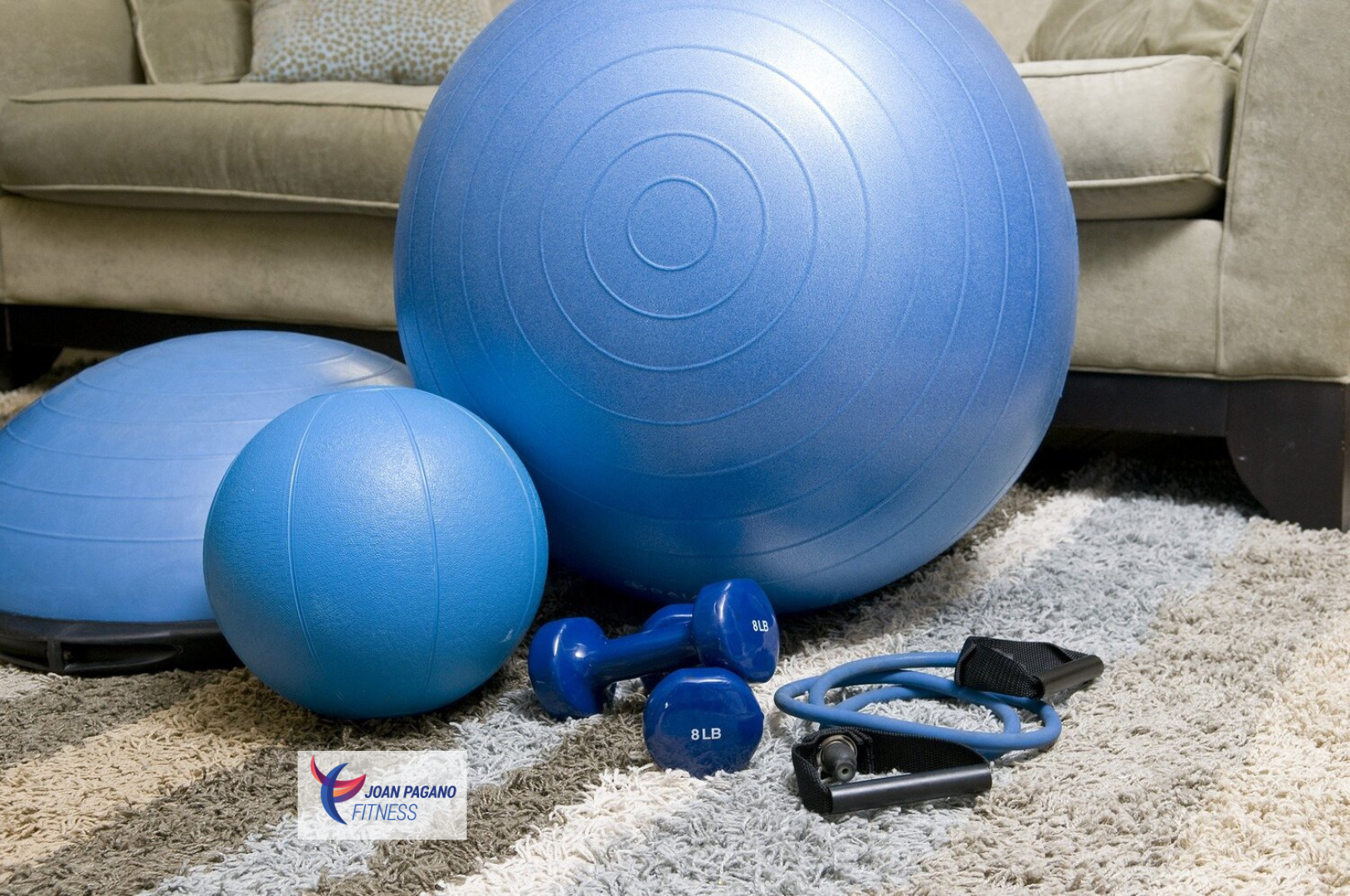
Simple home setups offer effective strength training workouts.
The landmark 2026 update to the American College of Sports Medicine (ACSM) strength training guidelines marks a meaningful shift in how we think about exercise—especially for adults over 50.
Big Picture: What Changed?
While earlier recommendations (notably the 2009 position stand) emphasized carefully structured programs with specific sets, repetitions, and intensities, the new guidance takes a more practical and empowering approach: consistency matters more than perfection.
The updated guidelines recognize a key truth supported by years of research: many different approaches to strength training can produce meaningful results. Instead of asking, “What is the perfect program?” the new question becomes, “What program will you actually stick with?” This shift is especially beneficial for active agers.
The new guidelines recommend:
Consistency over intensity
Benefits of a variety of programs
Adherence and enjoyment as primary drivers
Flexibility in methods (bodyweight, bands, free weights, machines)
Focus on functional fitness (strength, balance, gait, independence)
For individuals over 50, the goals of training often extend beyond building muscle. Strength training becomes a tool for maintaining independence, improving balance, preserving bone density, and supporting everyday activities like climbing stairs or carrying groceries. The new guidelines explicitly highlight these functional outcomes, placing them on equal footing with traditional fitness goals.
Why This is Especially Important for Adults Over 50
Focus shifts to function, not just muscle, including these predictors of independence and longevity:
Balance
Gait speed
Stair climbing ability
What Stayed the Same?
Guidelines highlight the importance of strength training to combat sarcopenia (muscle loss) and frailty and to improve muscle mass, metabolic health, and mortality risk.
Target all major muscle groups 2-3 X week
Use a gradual progression of overload
Another major advantage is accessibility and overcoming the fear/confusion of starting a strength training program. You no longer need a gym membership or complex equipment to benefit. Bodyweight exercises, resistance bands, and simple home setups are all considered effective. This lowers the barrier to entry and makes it easier to build a routine that fits seamlessly into daily life.
Equally important is the emphasis on effort over exact prescription. Rather than adhering to rigid rules like “three sets of ten,” individuals are encouraged to work within a moderate-to-challenging effort range—where the last few repetitions feel difficult but still manageable. This concept mirrors the idea of “zones” seen in cardiovascular training, where working within a sustainable intensity range yields long-term benefits.
Practical Takeaways
Train 2-3 X week
Target major muscles
Legs (chair sit-to-stand or bodyweight squat)
Pull (resistance band pull or dumbbell row)
Core (plank or dead bug)
Use: machines, bands, dumbbells, or bodyweight
Think in “zones,” not rules:
Start with 1 set of 10; add another set of 10
Moderate to challenging effort, repeatable weekly
Adherence becomes the main “medicine” for over-50 individuals.
For active agers, this approach reduces the risk of burnout and injury while promoting long-term adherence. It allows for flexibility on days when energy is lower and encourages gradual progression without pressure.
Ultimately, the new ACSM guidelines redefine success in strength training. It’s no longer about executing the perfect plan—it’s about showing up regularly, moving with intention, and maintaining a level of effort that challenges the body safely. For those over 50, this shift offers something invaluable: a sustainable path to staying strong, capable, and independent for years to come.
Disclaimer: The information presented in this article should not be construed as medical advice. It is not intended to replace consultation with your physician or healthcare provider.
For expert guidance on strength training techniques, step by step photos depicting how to perform the exercises, and a selection of well-rounded workouts please check out the book Strength Training Exercises for Women by Joan Pagano.