Simple Strength: The Almighty Squat
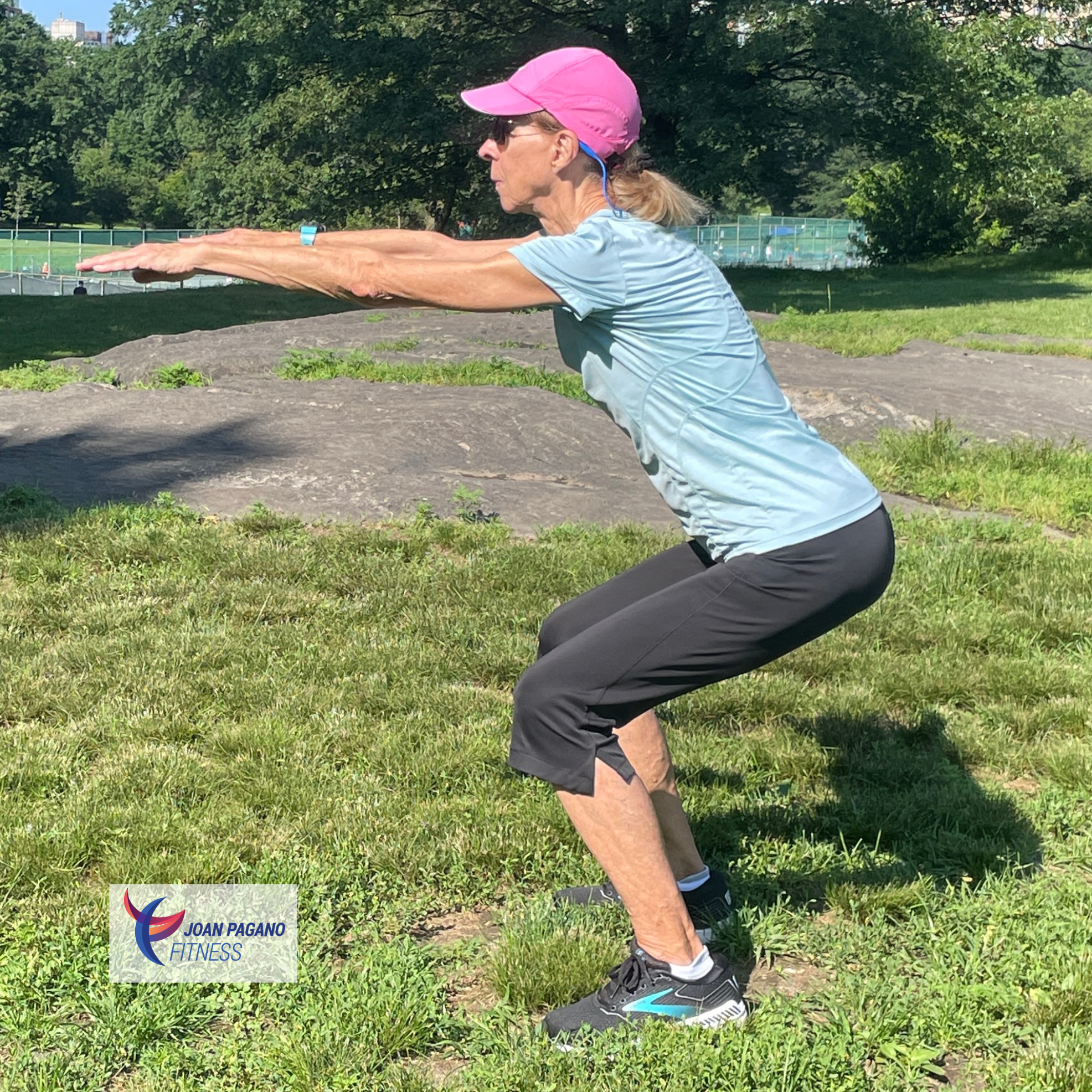
Squats are the #1 exercise for life.
Make squats a cornerstone of your fitness routine
If I were to give you one exercise for life, the squat would be it.
With a multitude of “real-life” benefits, the squat is one of the most practical, empowering movements you can do. Every time you sit down in a chair, stand up, climb stairs, lift a grandchild, or pick up groceries, you're performing a version of a squat. Training this movement helps you continue doing those everyday activities with confidence, strength, and independence.
For older women especially, squats are about much more than building strong legs. They're about preserving the ability to live life on your own terms.
How Squats Improve Daily Life
Functional strength
Muscle, lean body mass, metabolism
Bone density
Core stability and posture
Mental strength and body confidence
1. Functional strength
Squats are a functional exercise, meaning they mimic movements that we do every day. Each repetition builds the strength to keep hiking, traveling, gardening, and playing with your grandchildren.
2. Muscle, lean body mass, metabolism
After age 30, strength and muscle mass begin to decline gradually. Defend against the age-related loss of muscle mass with this simple move and boost your metabolism by developing lean body mass to resist unwanted weight gain. As you get stronger you improve your long-term mobility and independence.
3. Bone density
Squats are a weight-bearing exercise, meaning they stimulate the bones in your hips and thighs to stay strong. Approximately 25% of osteoporotic fractures occur in the hip, which can be both debilitating and life changing. Strengthening these muscles and bones can help prevent falls and fractures.
4. Core stability and posture
Often thought of as a lower body exercise, squats also strengthen your core muscles – abs, obliques, and lower back. A stronger core not only supports your spine but also helps prevent falls, reduces back pain, and improves posture, giving you a taller, more confident presence.
5. Mental strength and body confidence
Building strength isn’t just about muscles and bones – it’s about mindset. Every time you complete a few squats, you’re sending yourself a powerful “can-do” message. This sense of empowerment carries into all areas of life. For many women, doing squats becomes a symbol of resilience, self-care, and healthy aging.
Finding the right squat for you
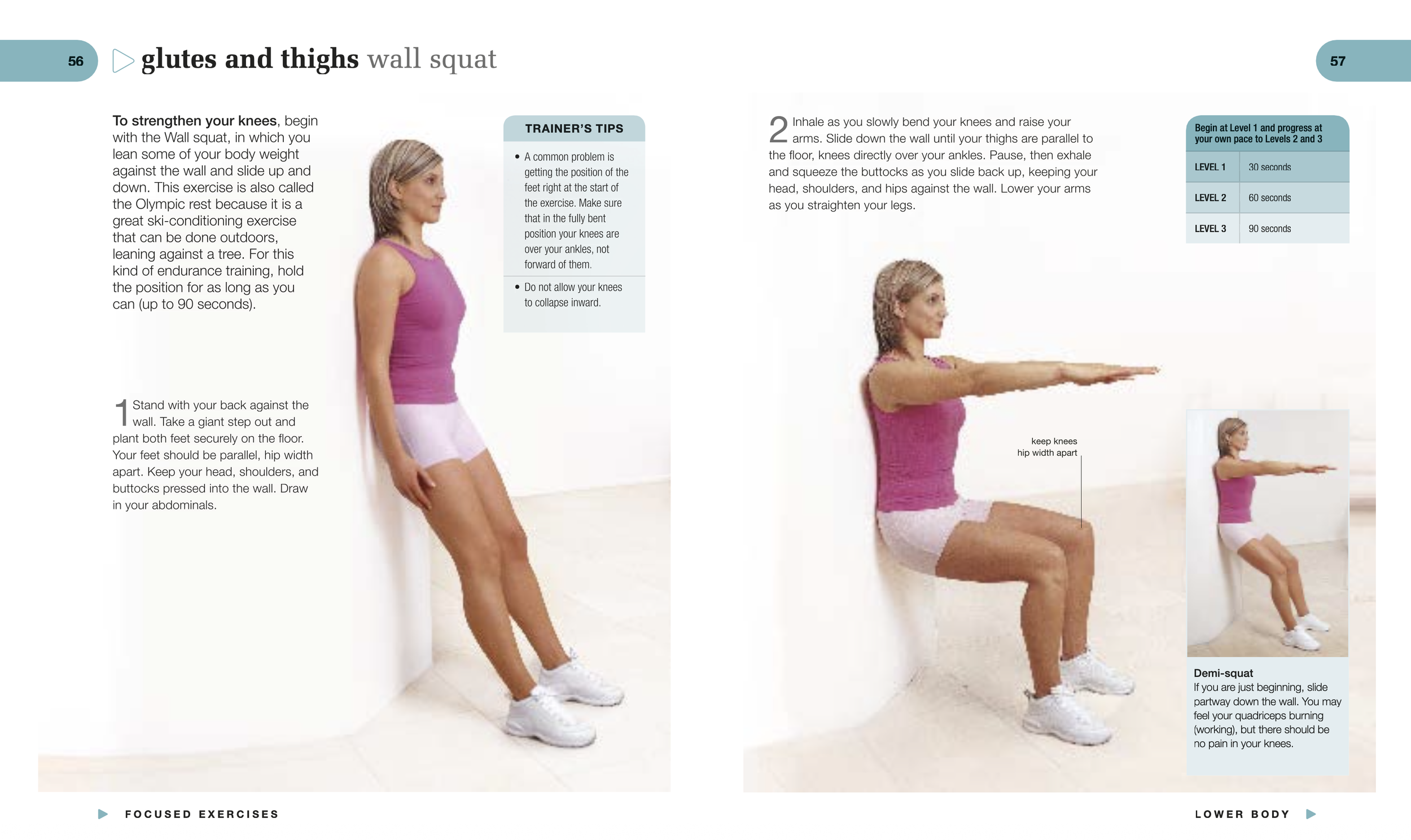
Wall Squat: If you’re just beginning to perform squats, strengthen your knees with the Wall Squat, in which you lean some of your body weight against the wall and slide up and down. At the bottom of the range of motion, build endurance by holding the position for as long as you can (15-60 seconds)
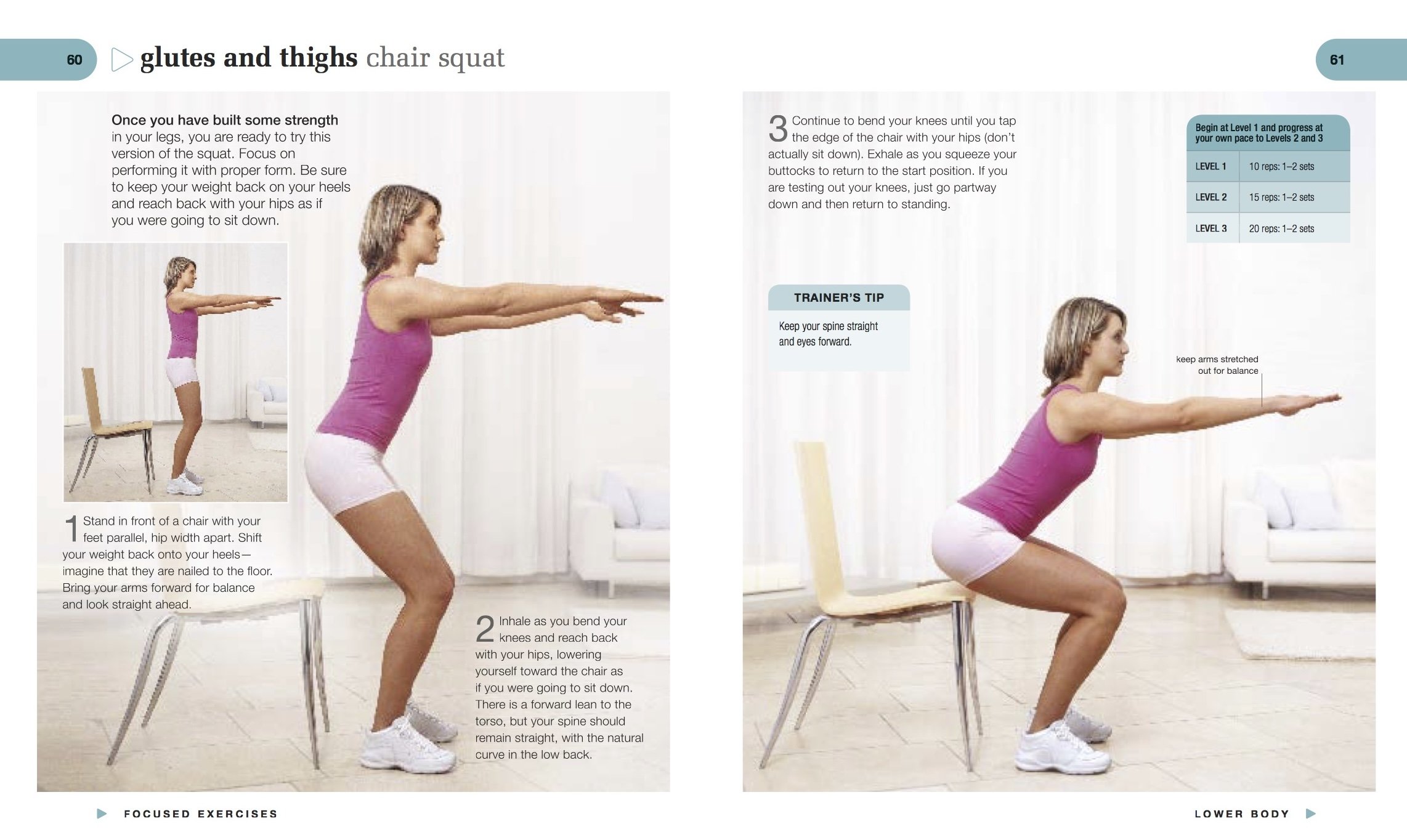
Chair Squat: Sit to Stand: Since this is a movement that we all need to get up from a seated position, practice this, lightly sitting back to a chair before standing again. This builds proper movement patterns while providing security.
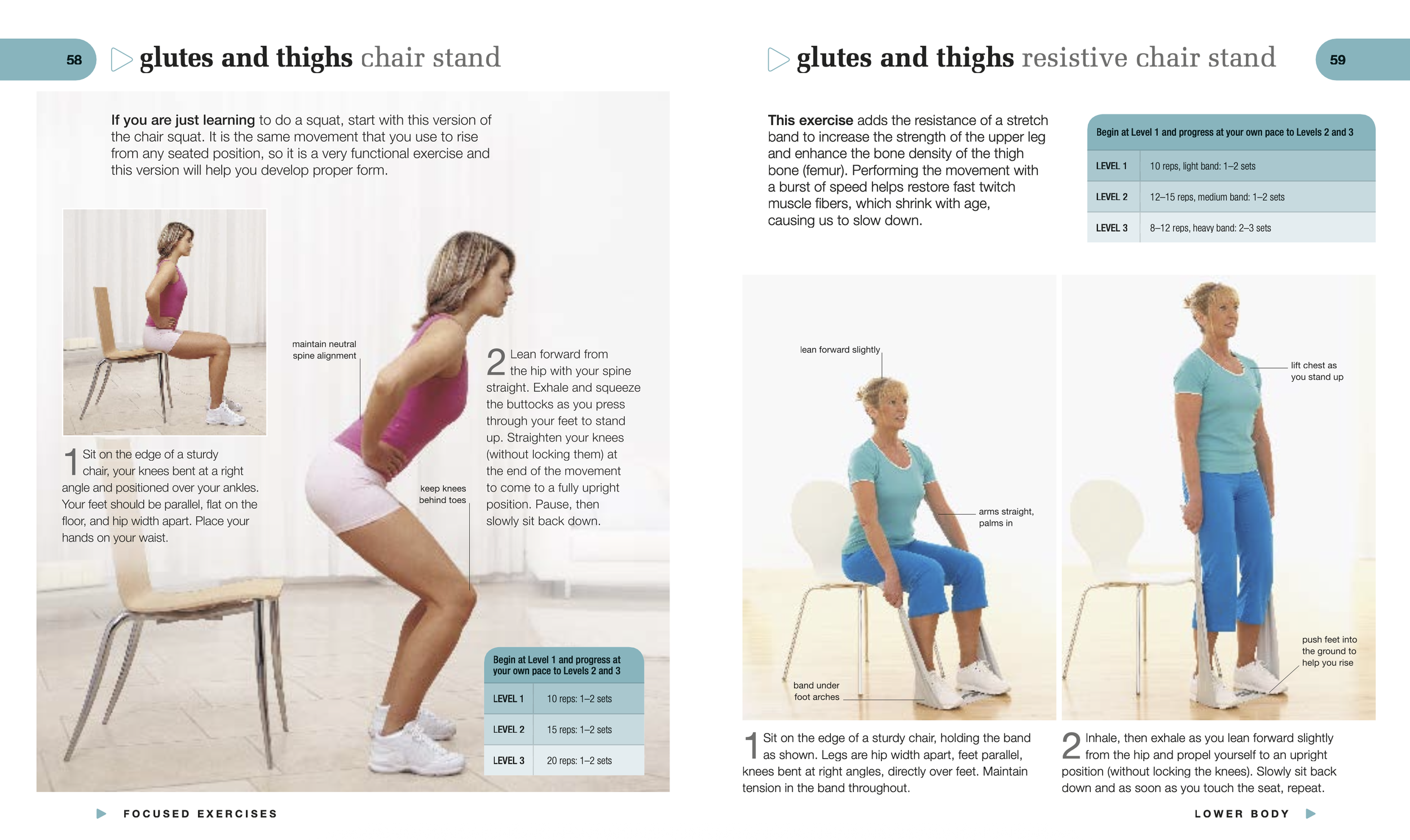
Chair Squat: Stand to Sit: As you become stronger, advance to bodyweight squats, sitting into the chair from a standing position, gradually increasing the depth as your mobility allows.
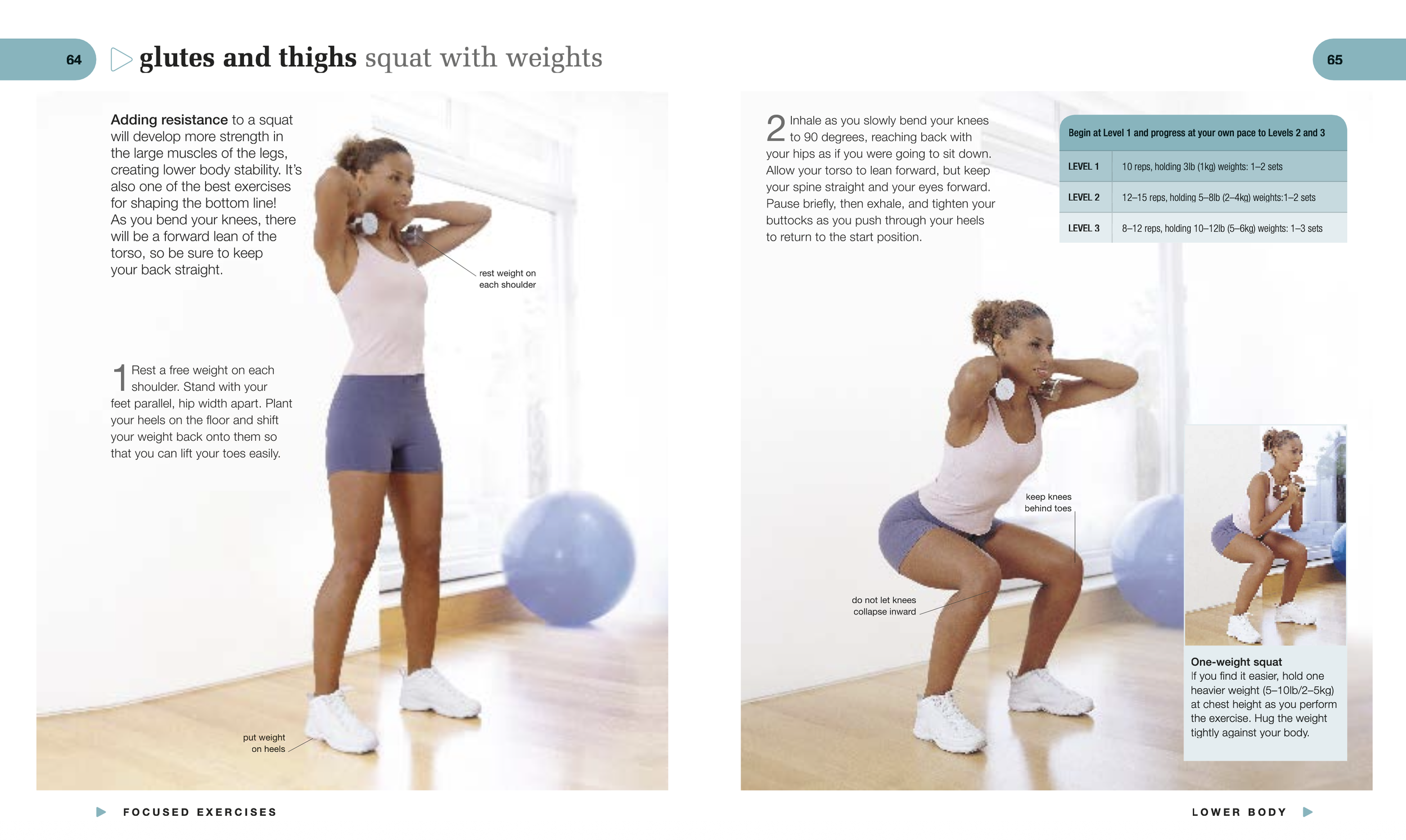
Squat with Weights: For a weighted squat, add resistance by holding two dumbbells with straight arms by your sides or on your shoulders, or alternatively hold one dumbbell against your chest “goblet” style, and perform the squat in a free-standing position.
Proper Form
Good technique is more important than how deep you squat or how much weight you lift.
Stand with your feet about shoulder-width apart and your toes pointing slightly outward if that feels comfortable. Brace your abdominal muscles, keep your chest lifted, and begin by sitting your hips back as though lowering into a chair. Bend your knees while keeping them tracking in the same direction as your toes. Press evenly through your feet to stand tall, squeezing your glutes at the top.
Only squat as low as you can while maintaining good form. A pain-free, controlled range of motion is always the goal.
Progress with Confidence
The secret to getting stronger is gradual progression. Once your current squat variation feels comfortable, add a few more repetitions, perform an additional set, or introduce light resistance. Progress doesn't have to mean lifting heavy weights—it simply means continuing to challenge your muscles safely over time.
Remember that consistency matters far more than intensity.
Every squat you perform is an investment in your future self. Stronger legs, stronger hips, better balance, and greater confidence all add up to something priceless: the freedom to keep doing the things you love.
That's the true power of the squat—not just stronger muscles, but a stronger, more capable life.
Disclaimer: The information presented in this article should not be construed as medical advice. It is not intended to replace consultation with your physician or healthcare provider.
For expert guidance on strength training techniques, step by step photos depicting how to perform the exercises, and a selection of well-rounded workouts please check out the book Strength Training Exercises for Women by Joan Pagano.
For help creating your own personalized plan for staying strong, capable, and independent, contact me here.